
Cars and vehicles
Selling your car privately: price, process and secure handover
What a private sale brings and what it costs
About a quarter of used-car purchases in Germany run through the private market: the DAT Report 2026 puts 26 % of reported 2025 purchases at private-to-private sales. The rest goes through free trade and franchise dealers. Selling privately often pays because no dealer margin sits in between. That is not guaranteed: the work of listing, viewings and secure handling is yours, and a concrete dealer offer can leave more in your pocket than a listing that sits for months.
So do the math on what remains, not just the headline price: amount paid minus costs incurred only for this sale, such as the listing, detailing or an upcoming inspection. Running costs like insurance and tax apply as long as the car is still yours, and they are the reason a long waiting game can cost more than a discount of a few hundred euros.
Determine the price: compare first, value second
The most common mistake is taking a single number from a calculator. There is no single car value, but several prices with different meanings:
| Term | Whose perspective | What it means for you |
|---|---|---|
| Listing price | Seller demands | Starting point for your own listing, but no proof anyone pays it |
| Achieved sale price | Completed deal | The number that counts, rarely visible publicly |
| Dealer retail price (HVK) | Dealer sells to end customer | Reference value in many calculators, not your proceeds |
| Dealer purchase price (HEK) | Dealer buys in | Orientation for trade-in and buy-back offers |
| Online estimate | Calculator based on your input | First orientation, expressly provisional and non-binding |
The ADAC price list for spring/summer 2026 gives these rules of thumb: private market prices sit about 8 % below dealer retail prices, dealer purchase prices about 10 to 15 % below. These margins are rough plausibility checks under fixed conditions (accident-free, at least 12 months of inspection validity, average mileage), not a formula for your specific car.
This is how you get to a defensible price of your own:
- Build a comparison group. Search the marketplaces for the same model generation, engine and gearbox, similar age and mileage. Keep private and commercial listings separate.
- Collect ten matching listings (if that many exist) in a table: price, date, mileage, inspection, equipment, known defects. Count duplicate listings across portals only once.
- Explain outliers instead of averaging them in. Accident cars, export offers and collector pieces do not belong in the average.
- Add a reference valuation. A calculator (ADAC, DAT, AutoScout24) gives a second perspective. Check which price type the result is: AutoScout24 expressly calls its figure an average listing price, not a guaranteed sale price.
- Get concrete purchase offers if a quick sale is on the table. The ADAC portal comparison from 2024 shows the risk of online estimates: for a Seat Leon, 11,000 to 12,000 euros were dangled online, but after on-site inspection the brokers' dealers offered around 6,500 euros. An estimate and a binding offer are different things.
- Set three prices: target from the comparison group, start with justifiable room, floor at your best realistic alternative. Never list without a floor, otherwise mood negotiates instead of math.
Sell now or wait
There is no best selling month for every car. The guides contradict each other: some say spring and autumn, some winter, some October. What is documented is seasonal demand for specific car types: for convertibles, spring is repeatedly named as a good window because demand rises seasonally. A guaranteed price premium does not come with it.
More important than the calendar is the waiting math, for a car you no longer need anyway:
benefit of waiting = expected price later − achievable price today − holding costs − additional depreciation
Example, purely hypothetical: an expected seasonal premium of 800 euros against three months of holding costs at 150 euros each plus 250 euros of further depreciation leaves 800 − 450 − 250 = 100 euros. One repair during the wait flips that negative. The household budget calculator helps you put insurance, tax and maintenance realistically, the date calculator plans the handover date and remaining inspection validity.
Repair, detail, or sell with the defect
Clean, well-kept and honestly described sells better than polished and concealed. That does not mean restoring everything first: normal wear is already priced into the market, and no detailing job guarantees it pays for itself.
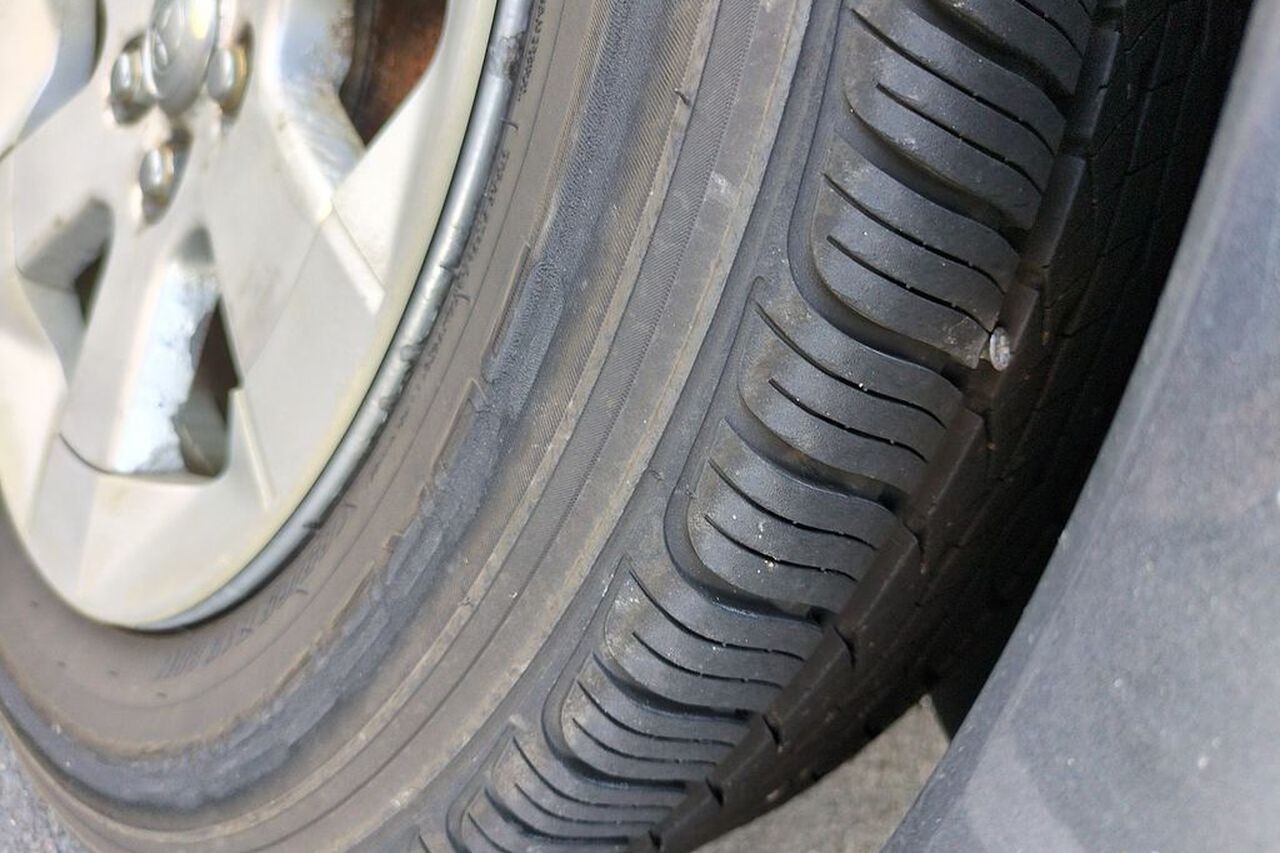
For the repair decision, only the comparison of both paths counts:
repair benefit = price repaired − price with disclosed defect − repair costs
Example, again hypothetical: a car with a broken part gets 5,000 euros, repaired it would plausibly fetch 7,200 euros, the quote is 1,600 euros. That leaves 7,200 − 5,000 − 1,600 = 600 euros of benefit, before repair risk and delay. The ADAC names a rule of thumb: selling without repair makes sense when costs exceed half the residual value. That too is a rule of thumb, not a law of nature.
On the inspection: a fresh technical inspection (HU) makes a car more attractive to buyers, and the ADAC names a noticeable proceeds benefit as a rule of thumb. No measured quota exists, the known figures come from older publications. Weigh inspection costs plus required work against the realistically higher proceeds, and note that twelve months of remaining validity is the reference basis of the price lists anyway.
Disclose known defects even when you decide against the repair. First, that is the precondition for an effective exclusion of liability; second, concealed damage surfaces at the first halfway attentive buyer's viewing.
The listing: channel, photos, description
The channel depends on your time and price goal, not on a ranking list:
| Route | Costs (as of October 2026) | Fits when |
|---|---|---|
| AutoScout24 listing | Up to two basic listings free at the same time | You want reach and to negotiate yourself |
| Kleinanzeigen | Two new car ads per 30 days free up to a 30,000 euro listing price, from the third 9.99 euros, renewal 9.99 euros | Regional demand counts and the price stays under the limit |
| mobile.de | Check tariffs in the listing process | You want the largest marketplace |
| Purchase portal or dealer direct purchase | Usually free for you, at a lower price | Time is scarcer than the proceeds gap |
On the platforms: the free limits are constructed differently. AutoScout24 allows two basic listings at the same time, Kleinanzeigen counts a rolling 30 days and makes the very first ad chargeable above a listing price of 30,000 euros. With purchase services like wirkaufendeinauto.de, the online price is valid for 7 days per the provider and can be corrected after the on-site inspection. Always compare final offers after inspection, not online estimates.

For photos: daylight, washed, from several angles, plus interior, odometer and known defects. Before uploading, check the metadata: the image metadata cleaner strips location data and EXIF information, the image compressor shrinks files to portal size. Blur or crop the number plate on public photos: plates plus insurance data can be used to fabricate a claim, as German police crime prevention warns.
The same rule applies in the description as in the contract: what you promise can bind you. In 2024 the BGH ruled (VIII ZR 161/23) that a concrete functional promise, in that case an air conditioning, stays binding despite a general exclusion of liability. Write what you know and what you do not, and skip promise formulas like completely accident-free when you cannot back the history.
Filtering buyers: scams that specifically target sellers
A public listing also attracts people who do not want to buy but to take your money. These patterns are described by authorities:
- Fake payment receipt. Screenshot or email receipt instead of real money, and the car should leave immediately. Open your own banking app and check the actual credit before anything goes out.
- Forwarding and pickup scam. A stranger collects the car, documents are forged or the payment is later disputed. A pickup by a third party is not automatically fraud, it is common with dealers, but contract partner, authorisation and payment receipt must be verifiable.
- Advance payment traps. Alleged transport or release fees you should pay in advance via a link. No serious purchase demands advance payments from the seller.
- Cheque fraud. An overpriced cheque, you refund the difference, then the cheque bounces. Decline ordinary cheques and overpayments.
- Contract by email. A rigged OK reply can supposedly count as acceptance of a purchase. Read messages fully and confirm only appointments, for example: I confirm the viewing on the stated date, this is not an acceptance of a purchase offer.
- FIN check trap. The buyer insists on a paid vehicle history report, on exactly the website they send you, from 30 euros upward. You pay for a worthless report and hand over vehicle and contact data in the process. Source serious documentation yourself, from your own inspection records and service documents.
- Fake defects at the viewing. Sudden diagnoses, car left alone, pressure. Accompany the inspection, have diagnoses checked independently, break off in doubt.
- Unaccompanied test drive. The car does not come back. In 2020 the BGH ruled (V ZR 8/19) that handing over a car for a test drive is a voluntary loss of possession: a later good-faith purchaser can acquire ownership, and § 935 BGB no longer helps.
Origin, accent or a foreign residence are not evidence of fraud by themselves. The pattern is what counts: time pressure, payment detours, unverifiable identity.
Viewing and test drive
Daylight appointment, ideally with a second person, documents ready. Before the test drive check the licence in the original and clarify with your insurer who may drive and whether own-damage cover applies. A written test drive agreement naming driver, vehicle, period and known prior damage is the clean way; the ADAC provides a template.
Ride along if possible. That is not a legal duty, but the most effective measure against theft and against manipulation of the standing car. And once more, because many guides get it wrong: an ID card may not be demanded as collateral, § 1 Abs. 1 PAuswG prohibits exactly that.
The sales contract: what belongs in it
A car sale is free of form requirements, a handshake is in principle enough. For four-figure sums, the written form is almost always the right call, because only it proves what was agreed. These points belong in:
- Full names and addresses of both parties; if represented, the power of attorney named concretely.
- Vehicle: make, model, VIN, plate, first registration, inspection date.
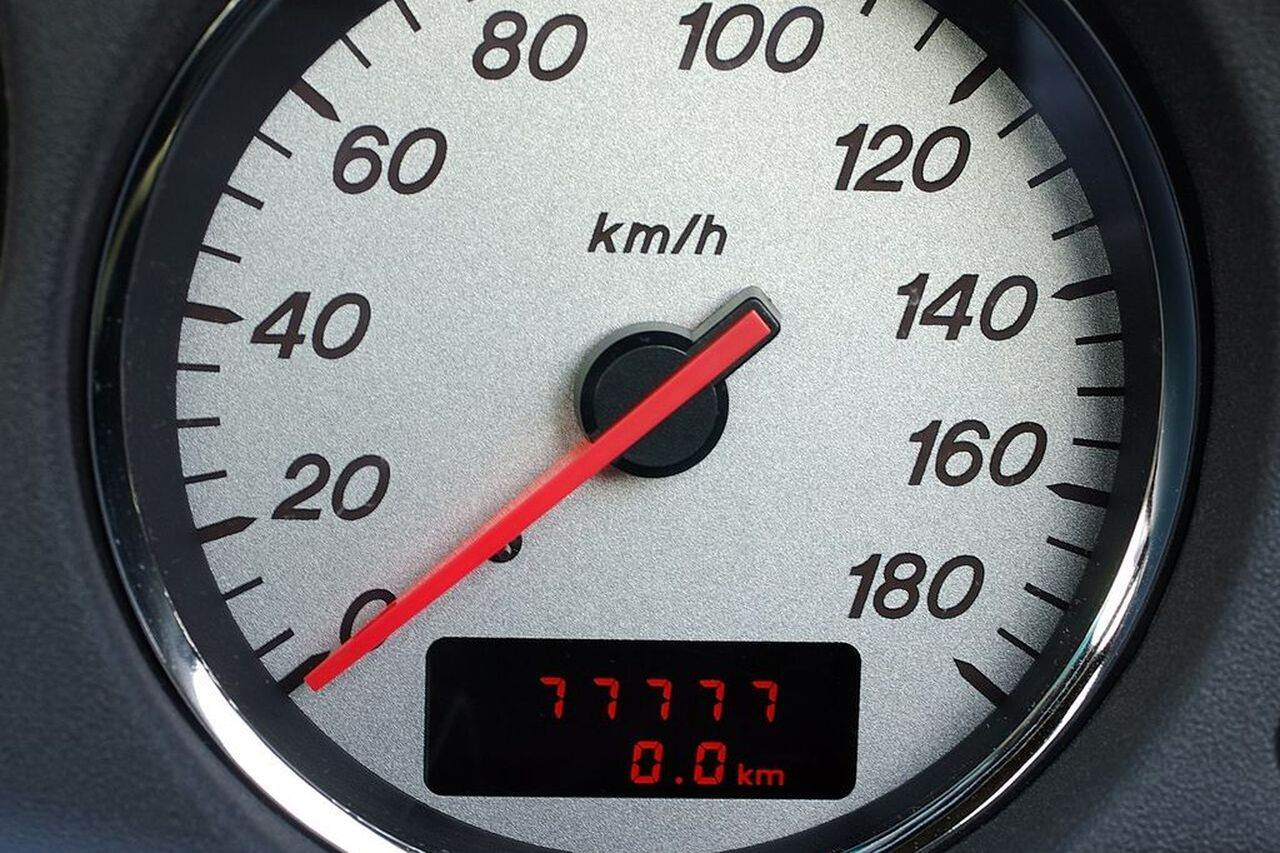
- Mileage, split between the read display and the known total distance.
- Price, payment method, due date, handover date.
- Defects and damage in an annex signed by both sides, including what you deliberately do not repair.
- Equipment and scope: number of keys, wheel set, charging cable, service book.
- Registration status and who re-registers by when.
On the exclusion of liability, the most quoted and most misunderstood sentence of private sales: warranty liability is not automatically excluded just because it is a private sale, the exclusion must be agreed. And it does not protect in every case. Under § 444 BGB you cannot rely on it if you fraudulently concealed a defect or guaranteed a condition. BGH VIII ZR 161/23 additionally shows that a general exclusion does not cover the absence of specifically agreed properties. Sold as seen is a slogan, not a clause kit.
The car sale contract walks through these fields, the power of attorney covers the case that someone else signs or collects for you. If you achieve gains from private disposal transactions within a calendar year, they become taxable above 1,000 euros of total gain, § 23 EStG. The normally sold everyday car is not affected; the old 600-euro threshold in some guides is outdated.
Getting paid: cash, instant transfer and the traps
| Payment method | Assessment | Release point |
|---|---|---|
| Cash with bank appointment | Common and proven | After counting and checking, then receipt |
| Instant bank transfer | Recommended by the ADAC | Credit visible in your own banking |
| Regular bank transfer | Possible, but not instantly available | Actual credit, not a screenshot |
| PayPal | Not recommended | Vehicles are excluded from buyer and seller protection |
| Cheque, instalments, escrow via email | Decline | Known fraud patterns |
The instant transfer is the workable cashless route: credit arrives within 10 seconds at most around the clock, per the Bundesbank. Recipient verification matches name and IBAN, but it does not check the buyer's seriousness and does not replace your own care. The sequence is decisive: first viewing and contract, then the transfer, then you check in your own banking that the full amount is booked and available. Only then do keys and papers change hands. Nothing goes out on sent payment confirmations, links or photos of the buyer's screen.
For larger cash deposits the bank asks for proof of origin: regularly above 10,000 euros per BaFin, above 2,500 euros for occasional customers. A signed sales contract is suitable evidence. Do not split deposits across days to dodge the check, that creates exactly the wrong impression.
AutoScout24 now offers SafeTrade, a payment escrow for private sales, with fees of 0.5 % (minimum 10, maximum 100 euros) per the provider. That is a provider statement, not a test verdict, and it only disproves the blanket claim that car marketplaces never offer payment handling. Whether such a service fits you is decided by the current terms, not by an email a buyer sends you.
Issue a receipt for the amount received; the receipt generator does this cleanly. Only receipt what actually arrived, never book a deposit as full payment.
Documenting the handover: protocol, keys, papers
The contract governs the deal, the handover protocol records the condition at the moment of handover. It captures: date and time, odometer reading, keys and documents handed over, equipment, registration status and the payment receipt. Both sign. That makes it provable later what was handed over, which is exactly where follow-up claims otherwise arise.

The sequence is the security: payment complete and verified, then keys, then papers. You hand over the registration certificate part II last, it is the most important vehicle document. In the vehicle handover protocol you record every point instead of disputing it from memory.
One point many forget: the digital inside the car. Disconnect your remote apps and vehicle accounts, delete stored addresses, contacts and phone pairings per the manufacturer's instructions. There is no new lock for the old app.
After the sale: deregister, tax, insurance
Three variants, sorted by control:
| Variant | Advantage | Note |
|---|---|---|
| Re-register together | Strongest control over the ownership change | Coordinate appointment or online portal |
| Take out of service before handover | You do not depend on the buyer | Organise pickup by trailer, check the return-trip exception |
| Hand over while registered | Convenient | Risk stays with you until re-registration |
Legally: on an ownership change, previous holder and buyer must promptly notify who has taken over the vehicle, § 15 Abs. 5 FZV. There is no general seven or fourteen day deadline; a date in the contract is an agreement, not a statute. The vehicle tax obligation ends with deregistration or re-registration to the buyer, not with the sale notification, as the customs administration states. Towards the insurer, § 97 VVG applies: prompt notification. The buyer enters the insurance contract, and for the current period old and new holder can be jointly liable for the premium, § 95 VVG. An accident the buyer causes after handover does not, however, touch your no-claims discount.
Deregistration today works online via i-Kfz, without ID verification, using registration certificate part I and the security codes of the seal plates. Note: once the codes are revealed, the plates count as invalid and normal driving is no longer permitted. For the drive home after deregistration, § 12 Abs. 4 FZV allows an insured return trip until the end of that day, nothing more. Do not leave the car deregistered in public space.
If the buyer does not re-register, you approach the registration office and insurer with contract and handover records. The date calculator keeps agreed re-registration dates and follow-up deadlines in view.
The process on one page
- Clarify your right to sell; with financing or leasing, first with the contract partner.
- Determine the price via comparison group and reference, set three prices.
- Choose the channel, create the listing with clean photos and an honest description.
- Filter buyers, accompany viewings, control test drives.
- Sign the contract with a defect annex, no blank fields.
- Verify payment in full, then hand over keys and papers.
- Document the handover, issue a receipt.
- Deregister or re-register, inform the insurer, keep the records.
Work through these points and you sell not only at a defensible price, but in a way where months later nobody can tell a story that is not on paper. The tools exist for exactly that: contract, protocol and receipt cover the documented steps, the rest is care at the appointment itself.
Frequently asked questions
How much negotiation room should I plan for?
When is the best time of year to sell my car?
Can I ask for an ID as collateral for a test drive?
Is PayPal safe for a private car sale?
Does my vehicle tax end once I report the sale?
Am I automatically not liable for defects as a private seller?
This handbook is general guidance and does not replace legal, tax or financial advice. Laws, fees and provider terms change; in a dispute the individual case decides.
Sources & status of these figures
The figures, fees and deadlines in this handbook come from the sources listed and were last checked on 11 October 2026. Provider statements are self-disclosures. Where a figure is a rule of thumb, the text says so.
- ADAC selling checklist: price determination, comparison features, timing, disclosing defects. adac.de/rund-ums-fahrzeug/auto-kaufen-verkaufen/verkaufen-tipps/checkliste
- ADAC used-car price list spring/summer 2026: private market prices about 8 % below dealer retail prices, dealer purchase prices about 10 to 15 % below. assets.adac.de/Autodatenbank/Autokosten/gebrauchtwagenpreise_a-c.pdf
- DAT Report 2026, short report: average used-car purchase price 18,310 euros and 26 % private market share, both referring to 2025. dat.de
- ADAC comparison of purchase portals, published June 2024: online estimates can sit far above the prices paid after on-site inspection. adac.de/rund-ums-fahrzeug/auto-kaufen-verkaufen/gebrauchtwagenkauf/gebrauchtwagen-wert-ankaufportale
- AutoScout24 vehicle valuation: average listing price from the database, expressly not a guaranteed sale price. autoscout24.de/fahrzeugbewertung
- AutoScout24 selling guide: up to two basic listings free at the same time. autoscout24.de/informieren/ratgeber/autoverkauf
- Kleinanzeigen, car category fees: two new car ads in 30 days free up to a 30,000 euro listing price, from the third ad 9.99 euros, renewal 9.99 euros. hilfe.kleinanzeigen.de
- German police crime prevention: paid FIN checks, cheque fraud, handover to third parties, contract via email confirmation, document misuse. polizei-beratung.de
- Deutsche Bundesbank, FAQ on instant transfers and recipient verification: credit usually within 10 seconds at most, name and IBAN check. bundesbank.de
- BaFin, current account: proof of origin for cash deposits above 10,000 euros, above 2,500 euros for occasional customers. bafin.de
- PayPal, German terms: motor vehicles excluded from buyer and seller protection. paypal.com/de/legalhub
- BGB § 444 and § 935, EStG § 23, PAuswG § 1, FZV § 12 and § 15, VVG § 95 and § 97: gesetze-im-internet.de
- BGH, judgment of 10 April 2024, VIII ZR 161/23: a specifically agreed condition remains binding despite a general exclusion of liability. bundesgerichtshof.de, press release 082/2024
- BGH, judgment of 18 September 2020, V ZR 8/19: handing over a car for an unaccompanied test drive is a voluntary loss of possession. bundesgerichtshof.de, press release 122/2020
- Customs administration, vehicle tax: the tax obligation ends with deregistration or re-registration. zoll.de
- BMV, i-Kfz: internet-based deregistration without ID verification, number plate codes and return-trip exception. bmv.de/ikfz
- AutoScout24 SafeTrade: payment handling for private car sales, provider statement without independent verification. safetrade.autoscout24.com
- wirkaufendeinauto.de, FAQ: online price valid for 7 days, correction possible after on-site inspection. wirkaufendeinauto.de/faq